
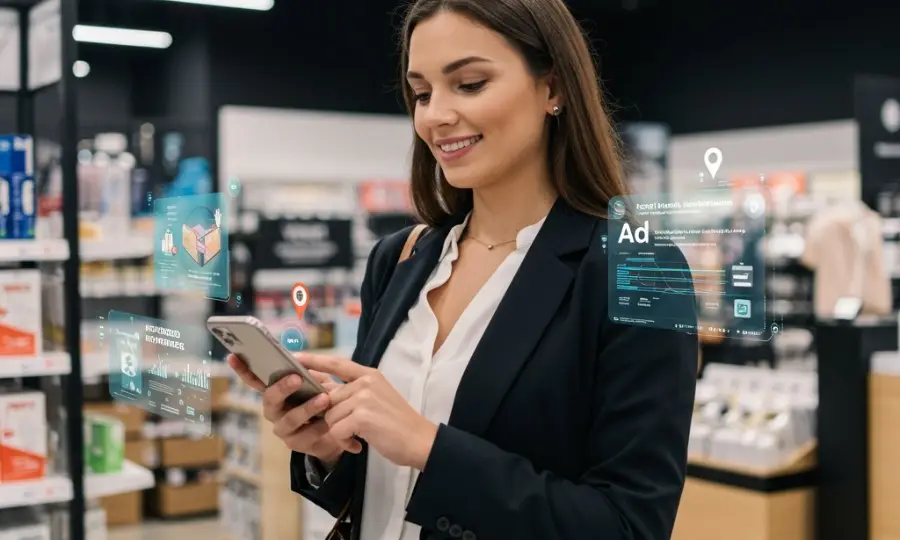
Are you feeling the squeeze on your e-commerce ad spend? In a world where privacy changes are shaking up traditional digital advertising, and consumers expect more personalized experiences, it’s easy to feel like you’re constantly chasing a moving target. But what if there was a way to connect with high-intent shoppers right at the point of purchase, leveraging incredible first-party data? Well, there is, and it’s called the Retail Media Network (RMN).
For years, PPC advertising largely revolved around search engines and social platforms. We all got pretty good at it, didn’t we? But the landscape is rapidly evolving, and the rise of Retail Media Networks is arguably the most significant shift we’ve seen in e-commerce advertising in a long time. These aren’t just new ad placements; they’re entire ecosystems built on proprietary shopper data, offering brands unparalleled opportunities to influence buying decisions.
The Power of Retail Media Networks: Why They’re Changing the Game
So, what exactly are Retail Media Networks, and why are they suddenly such a big deal? Simply put, RMNs are advertising platforms operated by retailers themselves, allowing brands to place ads directly on their e-commerce sites, apps, and even in physical stores. Think of Amazon Ads, Walmart Connect, or Target Roundel – these are prime examples. The reason they’re so powerful right now stems from a few critical factors:
- First-Party Data Goldmine: This is the absolute core. Retailers sit on a treasure trove of first-party data – what customers search for, what they buy, how often, what they view but don’t purchase. This data is incredibly valuable for precise targeting, especially with the decline of third-party cookies across the web.
- High-Intent Shoppers: People on Amazon or Walmart.com aren’t just browsing; they’re often there with a clear purchase intent. Advertising directly on these platforms means you’re reaching consumers when they’re already in a shopping mindset, making your ad spend far more efficient.
- E-commerce Growth: The pandemic accelerated e-commerce adoption, and while things have stabilized, online shopping remains a dominant force. Brands need to be where their customers are, and increasingly, that’s directly on retailer platforms.
You might wonder, isn’t this just like traditional product ads? Not quite. While product ads are a component, RMNs offer a much broader suite of ad formats and targeting capabilities, moving beyond simple search ads to include display, video, and even off-site placements powered by their first-party data.
Key Players in the RMN Arena: Amazon, Walmart, and Target Leading the Charge
While many retailers are developing their own media networks, a few titans truly dominate the American landscape, setting the standard for what’s possible:
Amazon Ads: The Pioneer and Powerhouse
Amazon practically invented the retail media space with its sponsored products and brands. Today, Amazon Ads is a massive ecosystem offering a range of solutions from sponsored ads (product, brand, display) to Amazon DSP, allowing you to reach Amazon shoppers on and off Amazon properties. Their sheer scale and deep understanding of consumer purchasing behavior make them an indispensable part of many brands’ strategies. For example, a CPG brand selling snacks can target consumers who frequently purchase similar items, or even those who’ve viewed their product but haven’t converted yet. That’s incredibly precise!
Walmart Connect: Reaching the Everyday American Shopper
Walmart Connect has rapidly scaled its offerings, leveraging its vast in-store and online data to provide robust advertising solutions. They understand the omnichannel shopper better than most. With Walmart Connect, you can target based on in-store purchase history, online browsing, or even local store proximity. Imagine a brand launching a new organic food product; they could target shoppers who’ve bought organic items online or in-store at Walmart, showcasing their ad to a highly relevant audience. It’s a powerful way to connect with millions of American households.
Target Roundel: Curated Experiences for a Premium Audience
Target Roundel positions itself as a premium retail media network, focusing on delivering relevant, brand-safe experiences. They emphasize their ability to connect with Target’s distinct guest base – often more affluent, family-focused shoppers. Roundel offers various ad formats across Target’s digital properties and off-site, powered by their extensive first-party data. For a beauty brand, this could mean targeting Target shoppers who’ve purchased high-end skincare products or searched for specific beauty categories, ensuring your message lands with an audience genuinely interested in premium offerings.
Leveraging First-Party Data for Unparalleled Targeting
Here’s the thing about first-party data from these retailers: it’s not just about demographics. It’s about actual purchase history, search queries on their platforms, and in-store behaviors. This provides an unparalleled level of insight into shopper intent. You’re not guessing; you’re operating with hard data about what people are actually buying and considering. This allows for:
- Hyper-Targeting: Reach consumers who bought your competitor’s product last month, or those who consistently buy products in a specific category.
- Full-Funnel Activation: From building awareness with display ads to driving conversions with sponsored products, RMNs support the entire customer journey.
- Measurement Accuracy: Because the retailer controls the data and the purchase path, attribution can often be more direct and accurate than with third-party channels.
Isn’t that the dream for any marketer? To know your audience with such clarity and reach them exactly when they’re ready to buy?
Integrating RMNs into Your E-commerce Strategy
So, you’re convinced RMNs are vital. But how do you integrate them effectively without stretching your team thin? It’s not about replacing your existing PPC efforts (like Google Ads or Meta Ads); it’s about expanding and diversifying. Think of it as adding another powerful arrow to your quiver.
- Start with Your Core Retailers: Focus on the platforms where your products already have a strong presence or where you see the most growth potential. If Amazon is your bread and butter, start there.
- Allocate Budget Strategically: Consider shifting a portion of your existing marketing budget (perhaps from less effective awareness campaigns) towards RMNs, especially for bottom-of-funnel conversion-focused campaigns.
- Leverage Retailer Insights: These platforms provide analytics. Dive deep into them to understand shopper behavior on their site and refine your ad creative and targeting.
- A/B Test and Optimize: Just like any PPC campaign, continuous testing of ad copy, visuals, and targeting is crucial for maximizing ROI.
We know this can feel like another platform to learn, another set of dashboards to monitor. But the truth is, the competitive advantage gained from reaching these high-intent shoppers directly is simply too significant to ignore. Brands that embrace RMNs now are positioning themselves for substantial growth.
Challenges and the Road Ahead
Of course, it’s not all smooth sailing. There are challenges to navigate:
- Complexity: Each retailer has its own platform, requiring specific expertise and management. This can lead to siloed strategies if not managed carefully.
- Measurement Standardization: While RMNs offer great first-party data, consolidating performance metrics across multiple platforms for a holistic view can still be tricky.
- Brand Safety and Controls: Ensuring your ads appear in appropriate contexts and maintaining brand image requires diligence, though major RMNs generally offer robust controls.
Looking ahead, I believe we’ll see further consolidation and standardization in the retail media space. More retailers will launch or enhance their networks, and we might see third-party tools emerge to help brands manage campaigns across different RMNs more efficiently. The focus will remain on even more personalized experiences and leveraging AI for predictive analytics within these networks.
Ready to Unlock the Retail Media Advantage?
The rise of Retail Media Networks isn’t just a trend; it’s a fundamental shift in how brands can connect with consumers. By tapping into these powerful platforms, you’re not just advertising; you’re engaging with shoppers who are already in a buying mindset, armed with data that offers unprecedented targeting precision. It’s an exciting frontier for e-commerce PPC advertising, offering a clear path to driving substantial sales growth.
Ready to explore how Retail Media Networks can supercharge your e-commerce strategy? It’s time to rethink your ad spend and embrace this powerful new channel. Don’t let your competitors capture these high-intent shoppers before you do.
Start Growing with
NYC’s AI Powered Digital Marketing Agency.
Unlock the power of AI-optimized blogs and proven strategies.
From SEO & PPC to conversion-focused design,
Internete builds the growth engine your business deserves.
