
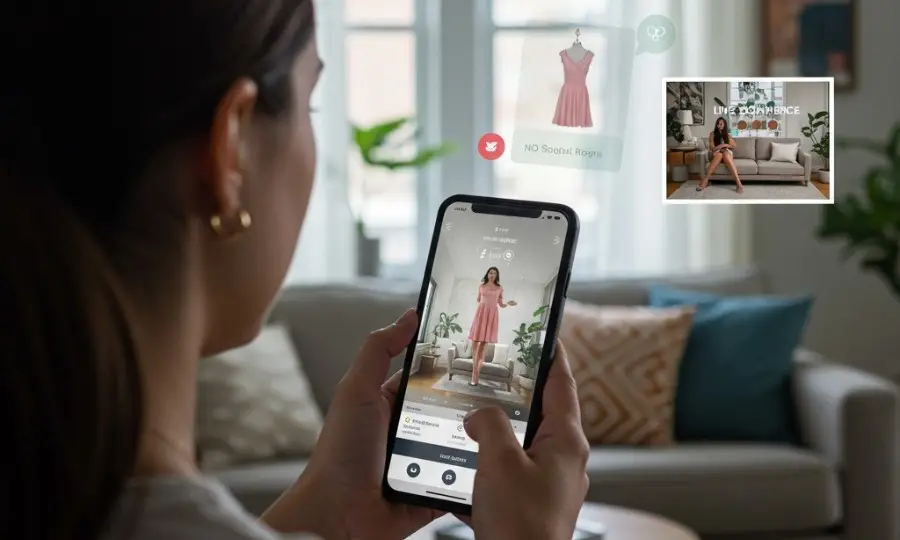
Remember when social media was just for connecting with friends and family? Perhaps sharing vacation photos or a funny meme? Those days, while still cherished, have evolved dramatically. We’re now squarely in the era of Social Commerce 3.0, and if you haven’t noticed the shift, you’re about to.
This isn’t just about ‘shoppable posts’ anymore; it’s a fundamental reimagining of the entire purchase journey. We’re talking about deeply integrated, frictionless shopping experiences directly within your favorite social apps. It’s exciting, a little overwhelming, and undeniably the future of how many of us will discover and buy products.
Beyond the ‘Buy Now’ Button: What Defines Social Commerce 3.0?
Social Commerce 3.0 represents a significant leap from its predecessors. Think of Social Commerce 1.0 as the early days of brands having a presence on social media and driving traffic to their websites. Then came 2.0, with shoppable tags and ‘buy now’ buttons that kept you largely within the platform, but often still required a separate checkout process. Here’s the thing: 3.0 is different.
This latest iteration focuses on creating an entirely seamless experience from discovery to purchase, all without ever leaving the app. Leading industry analyses, like those from eMarketer and various retail trend reports, consistently point to increased consumer demand for convenience and personalized interactions. Platforms are responding by integrating advanced features such as in-app checkout, personalized product recommendations powered by AI, and community-driven shopping features where friends can influence purchases. You might wonder how these platforms know exactly what you’ll love, and the answer often lies in sophisticated algorithms analyzing your engagement patterns, preferences, and even what your social circle is eyeing. It’s about reducing friction at every single touchpoint, making impulse buys incredibly (and perhaps dangerously) easy. For example, if you’re scrolling through Instagram and see a friend wearing a fantastic new pair of sneakers, you can often tap directly on their tagged product, check out color options, and complete your purchase in just a few taps, all without ever opening a browser.
The Power of Live Commerce: Engaging in Real Time
Who would’ve thought watching someone unbox a product could be so captivating? Live commerce events are perhaps one of the most dynamic aspects of Social Commerce 3.0, blending the entertainment of live streaming with the immediacy of online shopping. Imagine tuning into a favorite influencer’s stream where they’re demonstrating a new beauty product, answering questions in real-time, and offering exclusive flash sales just for viewers. It’s a modern take on the classic home shopping network, but with a much more interactive and authentic feel.
This isn’t just for big brands; small businesses and artisans are finding incredible success too. Recent data from platforms like TikTok Shop and Amazon Live indicate significant engagement and conversion rates during these events. Consumers love the authenticity, the ability to ask questions directly, and the sense of community that forms around shared shopping experiences. Brands, on the other hand, benefit from direct customer feedback, higher conversion rates due to urgency and excitement, and the ability to build deeper connections with their audience. It’s a powerful way to bring the in-store experience, complete with product demonstrations and sales associate interactions, directly to your couch.
Augmented Reality (AR) Try-Ons: Bridging the Digital-Physical Divide
We’ve all been there: buying something online, only for it to arrive and look completely different than we imagined. (And let’s be honest, who hasn’t bought something online only to return it because it looked different in person?) This common pain point, which contributes to significant return rates in e-commerce, is being directly addressed by augmented reality (AR) try-ons. This technology is a game-changer for reducing purchase anxiety and boosting consumer confidence.
With AR, you can virtually ‘try on’ clothes, experiment with makeup shades, or even see how a new piece of furniture would look in your living room, all through your smartphone camera. Sephora’s Virtual Artist, for instance, allows you to test hundreds of lipstick shades on your own face, while apps like IKEA Place let you project virtual furniture into your home environment. This isn’t just a gimmick; research by organizations like Statista has shown that AR experiences significantly increase purchase intent and reduce post-purchase returns. It bridges the gap between the digital browsing experience and the physical reality of the product, making you feel more confident in your choices before you even click ‘buy.’
The Data-Driven Advantage: Personalization and Predictive Shopping
Have you ever been amazed (or perhaps a little unnerved) by how accurately a social platform suggests something you might like? That’s the magic of data and artificial intelligence at work, fueling the hyper-personalization that is a hallmark of Social Commerce 3.0. These platforms analyze vast amounts of data – your browsing history, interactions, demographic information, and even the content you engage with – to create highly tailored shopping feeds and recommendations.
This isn’t just about showing you things you’ve looked at before; it’s about predictive shopping, anticipating your needs and desires before you even articulate them. The goal is to make the shopping experience feel incredibly intuitive and relevant, almost as if the platform is reading your mind. While the benefits for consumers are clear (discovering new products effortlessly), there are also important considerations regarding data privacy and ethical AI usage. Leading platforms are continuously refining their data policies and transparency, often in response to regulatory changes and consumer expectations, so it’s always wise to review privacy settings. This intelligent curation can save you time and introduce you to products you genuinely might not have found otherwise.
Navigating the New Retail Landscape: Tips for Consumers and Businesses
So, what does this all mean for you, whether you’re a shopper or a business owner? For consumers, embracing Social Commerce 3.0 means a more convenient, engaging, and personalized shopping experience. Be sure to explore new features like live streams and AR try-ons; they can truly enhance your purchasing decisions. However, always prioritize your privacy settings and be mindful of your spending. Check reviews, look for verified sellers, and remember that even in a frictionless environment, doing a little due diligence is always a good idea.
For businesses, the landscape has fundamentally shifted. It’s no longer enough to just have a social media presence; you need to actively participate in the social commerce ecosystem. This means investing in high-quality video content, experimenting with live commerce events, leveraging AR tools if applicable to your products, and ensuring your customer service is seamlessly integrated into these platforms. Authenticity and direct engagement are key here; consumers want to connect with brands that feel human and responsive. I believe that businesses that genuinely embrace these new capabilities, focusing on building community and providing real value, will be the ones that thrive in this exciting new era of retail.
The rise of Social Commerce 3.0 isn’t just a trend; it’s a foundational change in how we interact with brands and make purchases. It’s about bringing the joy and social connection back into shopping, making it less of a chore and more of an experience. Are you ready to dive in?
Start Growing with
NYC’s AI Powered Digital Marketing Agency.
Unlock the power of AI-optimized blogs and proven strategies.
From SEO & PPC to conversion-focused design,
Internete builds the growth engine your business deserves.
